What's the best month to visit South America
South America is a continent of contrasts. From the Amazon rainforest to the Andes mountains, it offers diverse landscapes. Each region has its own climate and charm.
Choosing the best month to visit South America can be challenging. It depends on your interests and the regions you plan to explore. Weather, festivals, and local events all play a role.
The continent spans the equator, resulting in varied weather patterns. The southern hemisphere experiences summer from December to March. This is ideal for visiting Patagonia and southern Chile.
Winter, from June to September, is perfect for the Andes and Amazon. These months offer cooler temperatures and less rain. It's a great time for hiking and wildlife viewing.
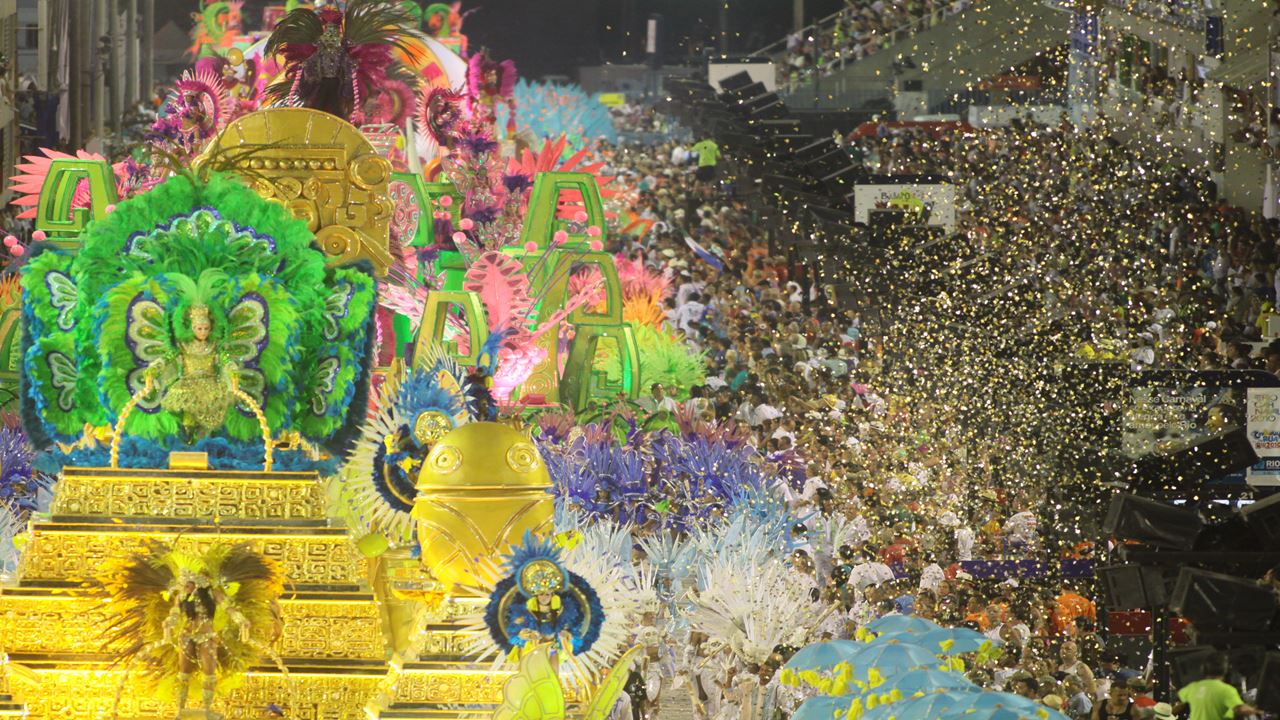
Festivals like Brazil's Carnival in February or March attract many visitors. These events provide a glimpse into the vibrant culture of South America. Planning your trip around such events can enhance your experience.
Local travel tips are essential for a smooth journey. Learning basic Spanish or Portuguese can help with communication. Understanding cultural norms and etiquette is also important.
In this guide, we'll explore the best months to visit South America. We'll provide insights into weather, festivals, and travel tips. Get ready to plan your perfect South American adventure!

Understanding South America's Climate and Seasons
South America's climate is incredibly diverse, influenced by its vast size and geographical features. Understanding these climatic variations is key to planning your visit.
The equator divides the continent, creating tropical conditions in the north and a temperate climate in the south. Each region has its own distinct weather patterns.
In the northern part, countries like Colombia and Venezuela enjoy a tropical climate. Here, it's warm and humid for most of the year.
Central countries, including Brazil and Ecuador, experience a mix of tropical and subtropical climates. Coastal areas typically see more rain and mild weather.
In the southern cone, countries like Argentina and Chile have four distinct seasons. Summers can be hot, while winters bring cold and snow, particularly in Patagonia.
The Amazon rainforest, covering much of northern Brazil, has high humidity and heavy rainfall year-round. However, the dry season from June to November offers drier conditions and better wildlife sightings.
Several factors impact the weather throughout the continent:
- Proximity to the Andes mountains
- Oceanic influences from the Atlantic and Pacific
- Altitude, which affects temperatures and weather patterns
It's important to understand the seasons:
- Summer (December to March): Best for visiting southern regions; warmer temperatures prevail.
- Winter (June to September): Great for northern regions and mountain activities.
- Rainy Seasons (varies): Provides lush landscapes but can lead to travel disruptions.
Selecting the right time involves considering your activities and preferences. Whether you desire hiking, cultural festivals, or beach vacations, South America accommodates your needs.
Weather can be unpredictable, so always check forecasts before traveling. This ensures you pack appropriately and adjust your plans if necessary.
From the chilly peaks of the Andes to the warm beaches of Brazil, South America has a climate for everyone. By understanding its climatic diversity, you can better decide when and where to visit.

Regional Weather Patterns: North, Central, and South
South America's vastness means it hosts a myriad of climates. This diversity offers travelers both challenges and opportunities when planning a trip.
Northern Region
The northern part, encompassing countries like Colombia and Venezuela, experiences a tropical climate. Warm temperatures and heavy rainfall are common, especially between May and November. During this wet season, lush landscapes flourish, creating spectacular views.
Central Region
In the heart of South America, countries such as Brazil, Bolivia, and Ecuador showcase a blend of tropical and subtropical weather. Coastal areas tend to be wetter, while inland regions have a more varied climate. The temperatures here are generally mild, but altitude can create cooler conditions.
Southern Region
The southern nations, including Argentina and Chile, encounter a temperate climate. Seasonal changes are more pronounced, with hot summers and cold winters. Patagonia, at the continent's southern tip, is best visited during its summer months, from December to February, when days are longer and milder.
Key Climate Influences
Several key factors influence the continent's weather patterns:
- Andes Mountains: Act as a barrier, affecting wind and precipitation.
- Amazon River Basin: Contributes to high humidity and rainfall.
- Ocean Currents: The Humboldt and Brazil currents modify coastal climates.
Travel Considerations
To maximize your experience, assess the weather of each region. Understanding these patterns aids in choosing the right activities, from hiking in the Andes to exploring the Amazon. Always prepare for unexpected shifts, as conditions can change swiftly.
One must consider this climatic variety when planning trips. It ensures comfort and safety, allowing for an enriching travel experience across this diverse continent.

by Miguel A Amutio (https://unsplash.com/@amutiomi)
Month-by-Month Guide: When to Visit Each Region
Understanding the best months to visit various regions in South America is crucial for travelers. Each month brings unique opportunities, influenced by local climates and events.
January
January marks the height of summer in the Southern Hemisphere. Travelers flock to Patagonia for its pleasant temperatures and long days. It's an ideal time for hiking and outdoor adventures.
February
February sees Brazil come alive with Carnival, one of the world's most famous festivals. Celebrate in cities like Rio de Janeiro and Salvador. Beach destinations along Brazil's coast also shine during this period.
March
March signals the end of summer, making it a perfect month for exploring Argentina's wine regions. Harvest seasons in Mendoza offer tastings and vineyard tours. The Atacama Desert is also stunning in the cooler evening light.
Recommended Destinations for January to March:
- Patagonia, Argentina and Chile
- Rio de Janeiro, Brazil
- Mendoza, Argentina
- Atacama Desert, Chile
April
April is ideal for Galapagos Islands excursions. The waters are warm, attracting snorkelers and divers eager to see unique marine life. The Amazon Basin begins transitioning to drier months, making wildlife viewing easier.
May
In May, the dry season begins in the Amazon Rainforest. This period is excellent for eco-tourism as the reduced rain makes wildlife more visible. It's also the start of the hiking season on the Inca Trail to Machu Picchu.
June
Winter sets in across the continent in June. This is the best time for visiting the Andes Mountains for skiing. June is also prime for eco-travel in the Brazilian Pantanal, which is the world's largest tropical wetland.
Recommended Destinations for April to June:
- Galapagos Islands, Ecuador
- Amazon Rainforest, Brazil/Peru
- Inca Trail, Peru
- Pantanal, Brazil

by Shehjad Mobin (https://unsplash.com/@smobin)
July
July offers excellent opportunities in the southern regions where ski resorts open. Meanwhile, the iconic Uyuni Salt Flats in Bolivia attract photographers and adventurers eager to see reflective surfaces.
August
August is perfect for exploring Ecuador's highlands, with clear skies and pleasant weather. It's also an excellent time to visit Colombia's coffee region, where you can enjoy both the climate and the bountiful harvests.
September
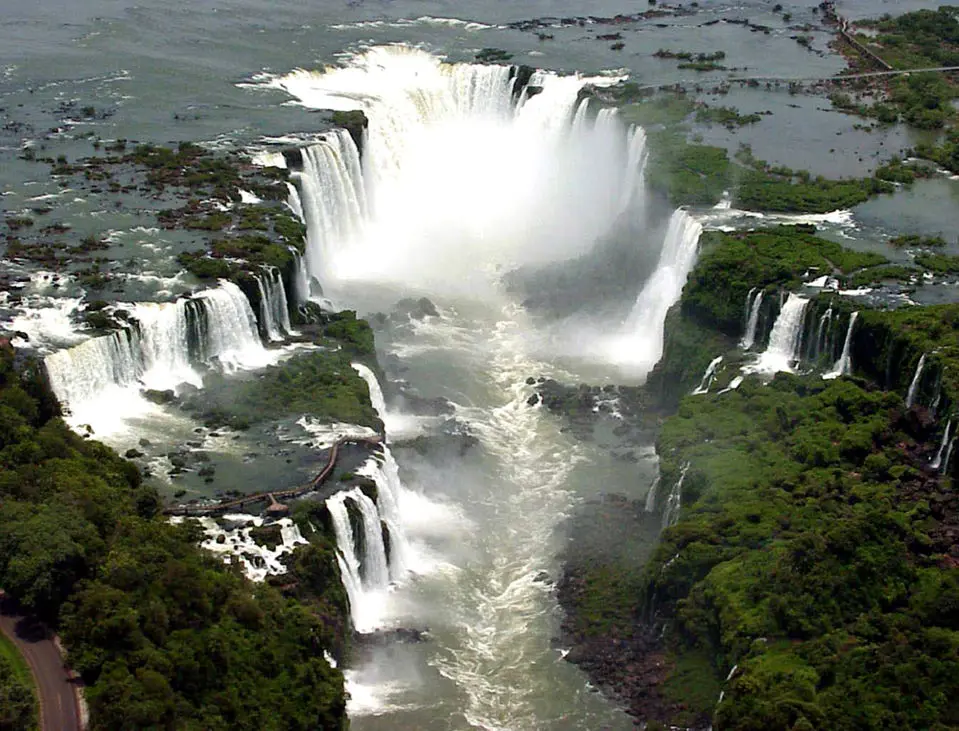
As spring begins, September is great for visiting Chile's Lake District. The landscapes bloom with beautiful colors. Also, this is a favorable time to visit the Iguazu Falls in Argentina and Brazil, which are less crowded and still spectacular.
Recommended Destinations for July to September:
- Andes Mountains, Chile/Argentina
- Uyuni Salt Flats, Bolivia
- Coffee Region, Colombia
- Lake District, Chile
October
October travelers can enjoy the dry trails of Peru or check out the cultural festivals starting to bloom across Bolivia. The heritage and beauty are unmatched.
November
November signals the start of the Galapagos Islands’ wetter season, offering lush greenery and impressive wildlife activity. It's also a lovely time for the central Andes as rain has not yet picked up.
December
December is when the beaches of Uruguay and Brazil are best enjoyed. The warm sun and festive atmosphere make this season lively. It's also a great month for visiting the bustling cities of Buenos Aires and Santiago.
Recommended Destinations for October to December:
- Inca Trail, Peru
- Galapagos Islands, Ecuador
- Uruguay, Beaches
- Buenos Aires, Argentina
By organizing your travels around this monthly guide, you ensure optimal experiences no matter where your journey in South America takes you.
Top Destinations and Their Best Months to Visit
South America boasts diverse landscapes and attractions, each with ideal visiting periods. Knowing when to go can enrich your travel experiences immensely.
Patagonia: Argentina and Chile
Patagonia spans Argentina and Chile, offering glaciers and rugged mountains. The optimal time to explore is from December to February. During these months, the weather is mild, and the days are longest, perfect for trekking and sightseeing.
The Amazon Rainforest: Brazil and Peru
The Amazon beckons with its lush biodiversity. The dry season from June to November is best for wildlife viewing. Rivers are lower, making spotting animals easier as they gather at the water’s edge. For boat trips, May to June offer enhanced experiences as water levels rise.
Galapagos Islands: Ecuador
Galapagos Islands are a year-round wonder. However, June to December provide cooler, drier climates, ideal for wildlife spotting. The nutrient-rich waters attract diverse marine life, offering exceptional snorkeling and diving opportunities.
Must-See Destinations in Patagonia, Amazon, and Galapagos:
- Perito Moreno Glacier, Argentina
- Manaus, Brazil for Amazon adventures
- Santa Cruz Island, Ecuador

by Barnabas Davoti (https://unsplash.com/@davotibarna)
Rio de Janeiro: Brazil
Rio is vibrant, alive with samba beats and stunning beaches. February or March during Carnival is unparalleled. But for less crowded experiences, May to September offers great weather for beachcombers and city explorers alike.
Machu Picchu: Peru
Machu Picchu, the legendary Incan city, is best visited from May to September. Dry conditions favor the hike along the Inca Trail, providing clear skies over the magnificent ruins. October to November are also pleasant, with fewer crowds.
Colombia's Coffee Triangle
The Coffee Triangle is lush and fragrant. December to March is perfect for a caffeine-fueled retreat. Visit plantations and savor the produce while enjoying the tranquility and cooler temperatures.
Key Attractions in Rio, Machu Picchu, and Colombia's Coffee Region:
- Copacabana Beach, Brazil
- Machu Picchu ruins, Peru
- Salento and Coffee Farms, Colombia

by Max (https://unsplash.com/@sonicfire3000)
Iguazu Falls: Argentina and Brazil
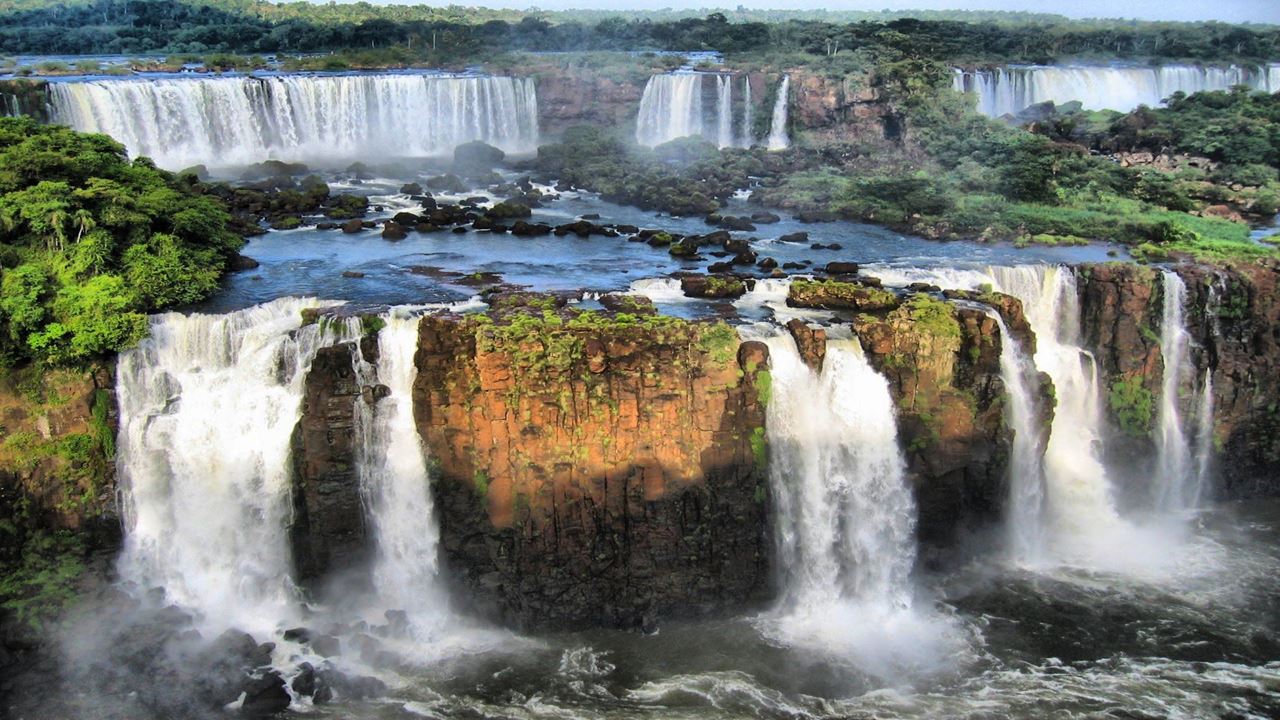
Iguazu Falls astonish with their sheer power and beauty. December to March bring full water flow, offering spectacular views. Alternatively, April to July provide less humidity, enhancing the journey.
Atacama Desert: Chile
The Atacama Desert, world's driest non-polar desert, is surreal. Visit from March to May or September to November. The clear skies are famous for stargazing, while the cool evenings make desert exploration comfortable.
Buenos Aires: Argentina
Buenos Aires combines European flair with Latin passion. Visit from September to November. Spring blooms in city parks, and the climate is lovely for tango shows and architectural tours.
Favorite Spots in Iguazu, Atacama, and Buenos Aires:
- Devil's Throat at Iguazu
- Valle de la Luna (Moon Valley), Atacama
- La Boca and Recoleta neighborhoods, Buenos Aires
These destinations each have their prime seasons. Prioritizing them can turn a good trip into an unforgettable journey through South America's wonders.
Festivals and Events: Timing Your Trip for Unique Experiences
South America's festivals are bursting with life, color, and tradition. These cultural events offer travelers a deeper connection with the continent's vibrant heritage.
Brazil's Carnival
Carnival in Brazil is a world-famous festival held in February or March. It's a dazzling display of music, dance, and elaborate costumes. Rio de Janeiro's streets fill with revelers, making it a must-see event.
Tapati Festival on Easter Island
The Tapati Festival on Easter Island occurs in February. It's a two-week cultural celebration showcasing Rapa Nui traditions. Visitors can enjoy music, dance, and sports competitions that highlight the island's rich Polynesian culture.
Peru's Inti Raymi
Inti Raymi, or the Festival of the Sun, takes place in Cusco every June. It honors the Incan sun god and marks the winter solstice. The streets come alive with processions and reenactments of ancient rituals.
Highlights of South America's Festivals:
- Carnival in Rio de Janeiro
- Tapati Festival, Easter Island
- Inti Raymi in Cusco

by Antonio Lapa (https://unsplash.com/@tomlapa)
Colombia's Barranquilla Carnival
Barranquilla Carnival occurs in February and is Colombia's second-largest festival. This UNESCO recognized event features vibrant parades and music, celebrating Caribbean culture and folklore.
Chile's La Tirana
La Tirana Festival is celebrated in Northern Chile in July. It combines religious devotion with energetic dances and costumes. It's a colorful pilgrimage that honors the Virgin of Carmen, drawing visitors from across the continent.
Bolivia's Oruro Carnaval
Oruro Carnaval in Bolivia is a cultural masterpiece held in February or March. It blends indigenous beliefs with Catholic traditions in vibrant costumes and mystical dances, portraying historic tales and legends.
Timing your visit to coincide with these festivals can enrich your South American adventure. From grand parades to ancient ceremonies, these events offer a glimpse into the soul of South America's diverse cultures. Plan accordingly to immerse yourself in these unforgettable experiences.
South America Local Travel Tips for Every Season
Traveling across South America can be both thrilling and challenging. Each season presents distinct opportunities and considerations for travelers.
Traveling in the Summer (December to March)
Summer is a popular time to explore Patagonia and southern Chile. The weather is mild, making outdoor activities enjoyable. However, it's also peak tourist season, so booking accommodations early is wise.
Summer Travel Tips:
- Pack lightweight, breathable clothing for warm weather.
- Book tours and accommodations in advance.
- Be prepared for crowds at popular attractions.
Visiting in the Autumn (March to May)
Autumn is ideal for visiting Argentina's wine regions. The fall harvest means vineyards burst with activity. It's a quieter time, offering a more relaxed experience.
Autumn Travel Tips:
- Bring layers for cooler evenings.
- Consider renting a car for exploring vineyards.
- Take advantage of off-peak rates.

by Hector Ramon Perez (https://unsplash.com/@argentinanatural)
Winter Travels (June to September)
Winter offers a perfect chance to explore the Andes and the Amazon. It's the dry season in many parts, providing clearer skies and cooler temperatures.
Winter Travel Tips:
- Dress warmly for high-altitude regions.
- Protect yourself against mosquitoes in the Amazon.
- Allow time to acclimate to elevations.
Exploring in the Spring (September to November)
Spring is beautiful in the Lake District of Chile and Argentina. The landscape is lush, perfect for outdoor adventures like hiking and biking.
Spring Travel Tips:
- Wear layers for fluctuating temperatures.
- Enjoy spring festivals without the summer crowds.
- Check weather forecasts for rain in temperate zones.
Additional Local Travel Advice
Understanding local customs enhances your experience. Respect cultural norms and traditions, and practice basic phrases in Spanish or Portuguese to connect with locals.
General Travel Tips:
- Learn key phrases in the local language.
- Avoid isolated areas at night for safety.
- Use local transport for an immersive experience.
Remember these tips as you plan your itinerary. Adapting to each season can greatly enhance your journey across this diverse continent. Safe and happy travels!
Packing and Travel Essentials for South America
Packing smartly is crucial for a South American adventure. The continent's diverse climates require careful preparation.
Consider the weather of your destinations before packing. Layering clothing can help manage changing temperatures. Always have essentials ready for varying climates, from beachwear for Brazil to warm jackets for the Andes.
Packing List Essentials:
- Lightweight, breathable clothing for humid areas
- Warm layers for cooler high-altitude regions
- Sturdy, comfortable shoes for walking and hiking
- A rain jacket or poncho for unexpected showers
- Swimwear for beach and water activities
- Wide-brimmed hat and sunscreen for sun protection
Electronic devices require adapters. Most South American countries use 220-volt outlets. Check compatibility to avoid damaged gadgets. Packing a universal adapter can simplify charging.
A travel first-aid kit is wise. Include basic medications, insect repellent, and any personal prescriptions. Altitude sickness pills can be valuable for travelers heading to places like Cusco.
Don’t forget important documents such as passports, visas, and travel insurance. Carry photocopies separately from originals. This practice safeguards against loss or theft.
Stay prepared for each aspect of your journey. A little forethought ensures a smooth and enjoyable trip. Proper packing means more time enjoying South America's wonders and less stress managing gear. With these essentials, you'll be ready to embrace all that the continent offers.
Safety, Health, and Practical Advice
Traveling safely in South America requires vigilance. Each region has its own challenges. Awareness and preparation enhance your experience.
Stay informed about local conditions. Check travel advisories before departure. Understanding political climates helps avoid disruptions to your trip.
Personal belongings should always be secure. Pickpocketing is common in crowded areas. A money belt or anti-theft backpack adds an extra layer of security.
Safety and Health Tips:
- Avoid displaying valuables in public
- Use registered taxis or ride-sharing apps for transportation
- Drink bottled or filtered water to avoid stomach issues
- Stay updated on local weather alerts
Health-wise, understand the risks of altitude sickness. High-altitude cities like La Paz require acclimatization. Consider consulting a doctor before traveling to such areas.
Vaccinations may be necessary. Yellow fever is a risk in some regions. A healthcare professional can provide personalized advice.
Purchasing travel insurance is prudent. It protects against mishaps ranging from health issues to lost baggage. Always have emergency contacts and vital information readily available.
In sum, combining caution with awareness enriches your South American journey. These practical steps ensure your focus remains on the continent's stunning landscapes and vibrant cultures. With preparation, any safety concern becomes manageable.
Frequently Asked Questions About Visiting South America
When planning a trip to South America, travelers often have many questions. Understanding these queries makes preparation easier and your journey more enjoyable.
One common question revolves around language. Spanish is widely spoken on the continent. However, Portuguese is the main language in Brazil.
Another frequent concern is about currency. Each country has its own currency, such as the Argentine peso or Brazilian real. It's wise to carry some local cash for small purchases.
FAQ Summary:
- Do I need a visa for South America?
- Visa requirements vary by country and nationality.
- Is the tap water safe to drink?
- Stick to bottled or filtered water in most areas.
- How do I stay connected?
- Purchase a local SIM card or use Wi-Fi hotspots.
Safety is a recurring theme in travel questions. While some areas have security issues, many regions are tourist-friendly. Researching specific destinations can provide peace of mind.
By addressing these common questions, travelers can feel more confident. Proper planning ensures a smoother and more rewarding South American adventure. As you prepare, keep informed about any country-specific updates or travel warnings.
Conclusion: Planning Your Perfect South American Adventure
Visiting South America promises a blend of stunning landscapes, vibrant cultures, and unforgettable experiences. Choosing the best month to explore is crucial for an enriching trip.
Each country offers unique attractions year-round. Therefore, aligning your travel with the best seasons enhances your adventure. Whether pursuing sun-drenched beaches or snowy Andean peaks, timing matters.
Researching local weather patterns aids in planning. Consider how temperatures and rainfall impact activities. For example, hiking in Patagonia is best in summer months, while the Amazon thrives in drier periods.
Festivals add a cultural dimension to travel, immersing you in local traditions. Attending events like Brazil’s Carnival or Peru’s Inti Raymi Festival provides memorable cultural insights.
Equipped with local travel tips, you can navigate South America with ease. Language basics, safety practices, and regional customs enrich your experience, allowing for smoother interactions with locals.
Finally, embracing flexibility enhances your journey. Plans may change with the weather or unexpected discoveries. Adapting lets you savor every moment.

by Ana Frantz (https://unsplash.com/@anafrantz)
A well-planned trip to South America promises diverse adventures and treasured memories. Approach your travel with curiosity, an open mind, and respect for local cultures. By doing so, your South American adventure will be both exciting and enlightening, leaving you with stories to share and experiences that last a lifetime.
Published by Has Chacon on 12/06/2026