Crossing From The Yungas To The Puna

168 hrs
From
1.388.333 ARS

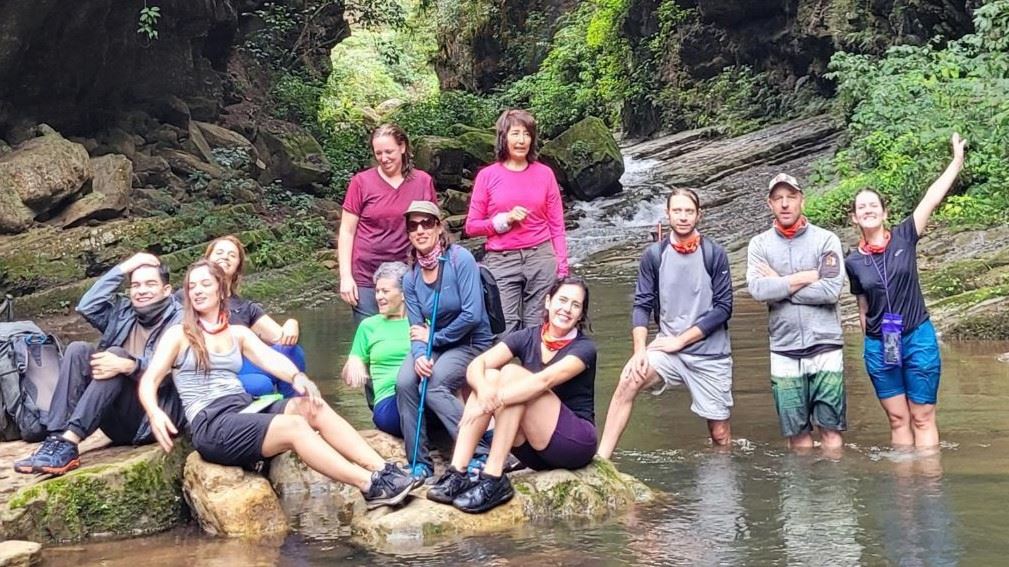
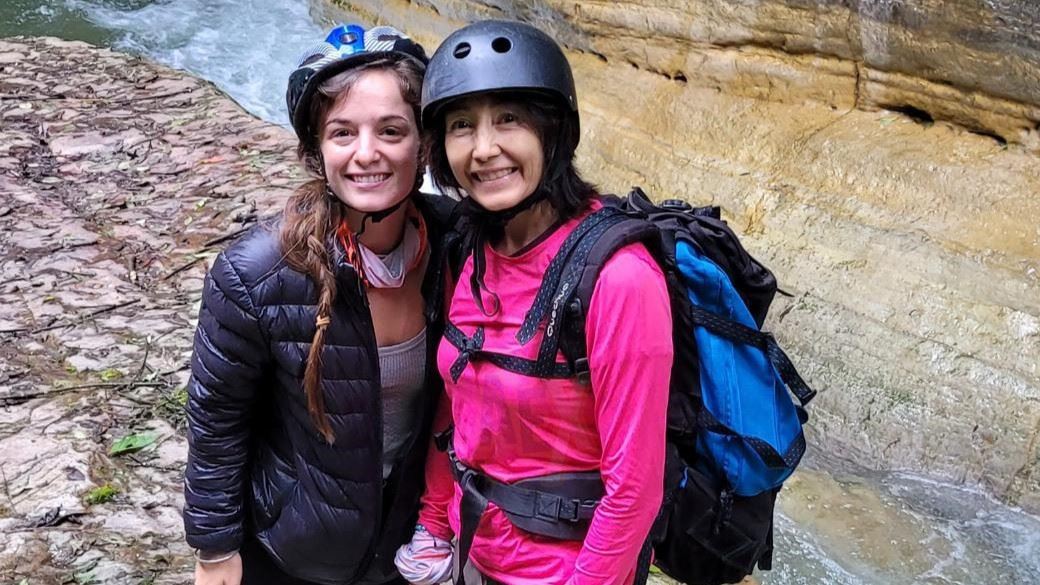
This trek in Jujuy offers a remarkable expedition that bridges the Yungas with the Quebrada de Humahuaca, showcasing some of the most stunning landscapes in northern Argentina. Throughout the journey, you'll navigate ancient trails that meander through lush jungle, deep canyons, and magnificent mountain ranges.

This adventure encourages you to immerse yourself in a constantly evolving environment, where you can witness condors soaring, alongside guanacos and vicuñas freely wandering. The contrast between the vibrant green of the rainforest and the vast aridity of the towering mountains makes this journey a singular experience, where nature, culture, and adventure are fully expressed in their greatest forms.

Tour Description

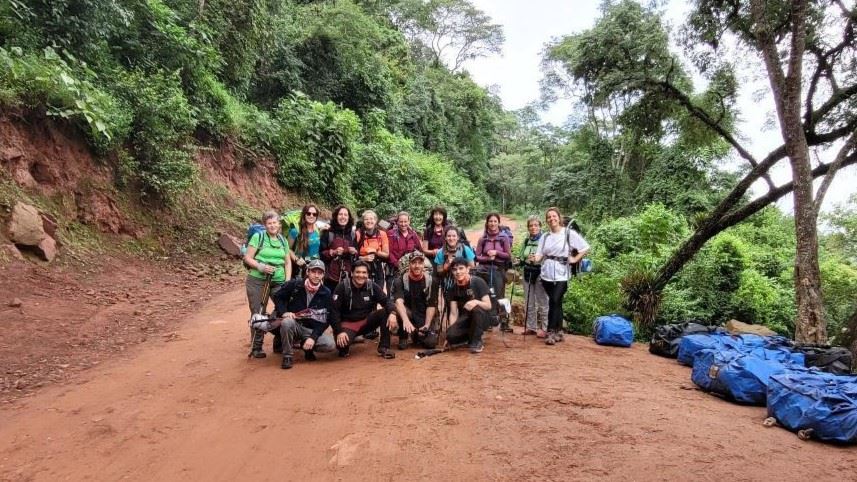
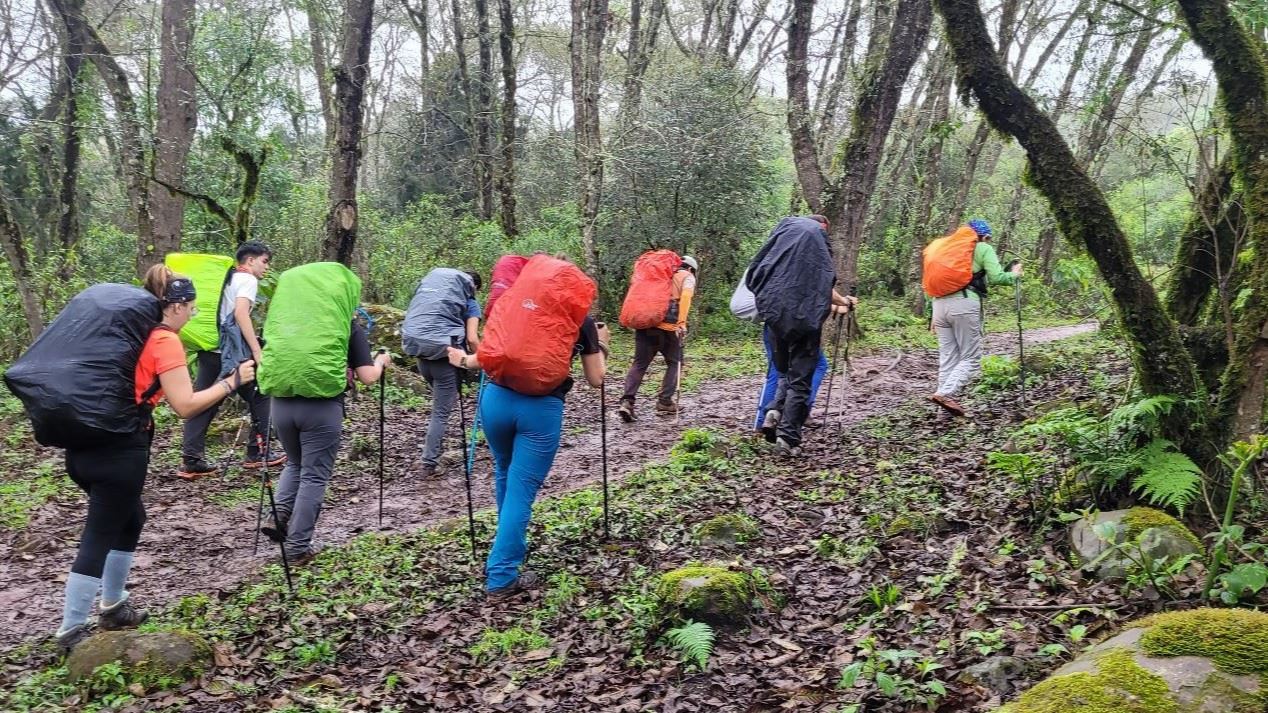
This adventure commences with a transfer from Salta to San Francisco, nestled in the heart of the Yungas region of Jujuy. Here, a walking expedition begins, linking two distinctly contrasting ecosystems of northern Argentina. The initial encounter is with the mountain rainforest, marked by its dense foliage and vibrant green hues, providing the perfect setting to prepare equipment before embarking on the trek.

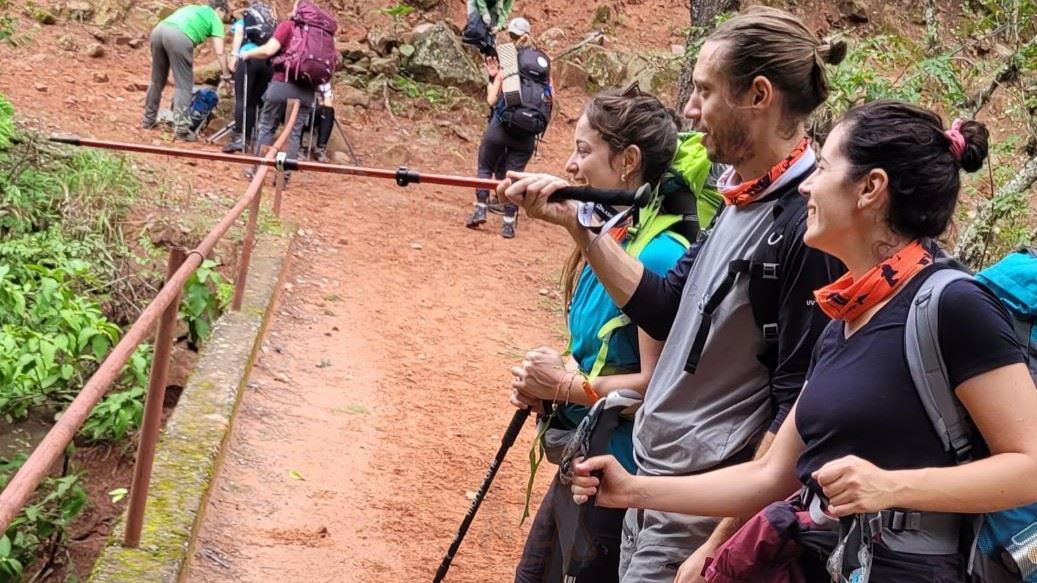
The journey kicks off in Peña Alta and proceeds towards San Lucas, a hike spanning several hours through jungle paths and ravines. As altitude increases, the landscape gradually shifts. In the days following, the trek advances towards Abra del Potrero and onto Molulo, following ancient trails that link various mountainous areas, blending demanding sections with more expansive stretches.

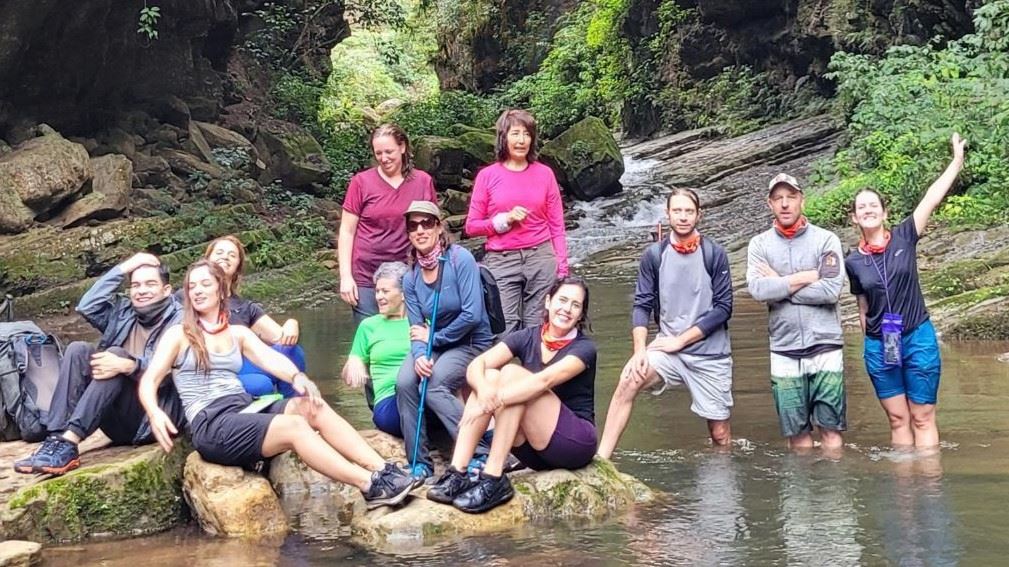
Throughout the trek, nights are spent in a variety of mountain settings, alternating between campsites, shelters, and local homes, offering a deeper immersion into the land and its culture. This direct interaction provides a chance to learn about the region's traditions and customs while traversing historic paths once used by indigenous communities.

As the path leads towards Yuto Pampa, the environment becomes increasingly arid and elevated, revealing landscapes characteristic of the puna. Along this segment, the connection with nature remains strong, with opportunities to observe Andean wildlife such as condors, guanacos, and vicuñas in ever more spectacular surroundings.

The final day leads you to Tilcara, crossing the highest point of the trek at over 4,000 meters above sea level. This marks the arrival at the Quebrada de Humahuaca, where the arid, high-altitude terrain starkly contrasts with the rainforest starting point. The adventure concludes with an overnight stay in Tilcara, wrapping up an expedition that blends nature, culture, and adventure in one of the most comprehensive and remarkable treks in northern Argentina.

What’s included?

What’s included:

- Initial transfer from Salta to San Francisco. - Mountain guides. - Lodging. - Mountain cuisine. - Personal equipment up to 5kg carried by mules. - General first-aid kit. - Guide with international WFR certification. - Assistance horse during the trek. - Handyman and satellite communication.

What’s NOT included:

- Travel to the meeting and end point. - Transfer from Tilcara to Salta (at the end) - Dinner in Tilcara on the last night - Expenses incurred due to early departure from the program. - Gratuities

Frequently Asked Questions

The Yungas to Puna Crossing tour typically includes licensed tourist transportation (4x4 vehicle or minivan), a bilingual professional guide, basic insurance, scenic stops for photos and wildlife viewing, and accompaniment throughout the tour. Depending on the chosen option, it may also include hotel or meeting point pickup, bottled water, and local entrance fees; meals and tips are usually optional. Multi-day tours may include additional accommodation. Flights and personal expenses are not included. To avoid surprises, always review the tour details and the operator's terms and conditions before confirming your booking.

The tour is usually a full-day trip (10 to 12 hours) or a 2- to 3-day tour, depending on the chosen package. The typical itinerary ascends from the humid, cloud-filled Yungas rainforest to the arid, high-altitude Puna plateau, with viewpoints, Andean villages, and landscapes of cacti and salt flats. The route includes cliffside roads and gravel sections, with photo stops and short walks. Altitudes range from approximately 1,000 to over 4,000 meters above sea level. Departure times are usually early in the morning; please confirm exact times when booking.

For this high-altitude nature excursion, it's best to dress in layers: a technical t-shirt, a fleece jacket, and a windproof and waterproof jacket. In winter, add a hat, neck warmer, and gloves. Wear trekking boots or shoes with good traction. Bring UV sunglasses, high SPF sunscreen, lip balm, a hat, insect repellent (especially in the Yungas region), and a reusable water bottle. Pack energy snacks, cash for local purchases, a camera with spare batteries (the cold drains batteries faster), a personal first-aid kit, and your documents (ID/passport). Pack light, avoid strong perfumes, and don't forget a trash bag: responsible and sustainable tourism in northern Argentina.

The Puna region frequently exceeds 3,500 meters above sea level, making altitude sickness prevention crucial. If possible, acclimatize for 24 to 48 hours in intermediate cities, stay well-hydrated, eat light meals, and avoid alcohol and strenuous activity. Walk at a leisurely pace and dress warmly to reduce physiological stress. Consult your doctor if you have heart or respiratory conditions, are pregnant, or are traveling with young children; consider preventive medication only under professional guidance. Inform your guide if you experience severe headaches, nausea, or dizziness. Purchase travel insurance, always wear a seatbelt, and follow your guide's instructions on cliffside routes.

The best time for this adventure tourism experience in northern Argentina is usually from April to November, when the weather is drier, the skies are clear, and the mountain roads are more stable. Winters experience a wide temperature range: mild days in the sun and very cold nights in the Puna region, with frost. In summer (December to March), it rains in the Yungas, and there may be fog, afternoon thunderstorms, and occasional road closures. Spring and autumn are mild and photogenic. Pack warm clothing year-round and check road conditions and the weather forecast before setting out.

Questions

Thank you for your enquiry! We will contact you shortly.

Traveler Class

Difficulty Level

Type of Activity

Cost Level

Cancellation Policy

Type of interest

Crossing From The Yungas To The Puna

168 hrs
From 1.388.333 ARS

Check Availability

100% secure payment
Guides in your language
Guaranteed experiences

What they say

Reviews

From 1.388.333 ARS
Check Availability

Crossing From The Yungas To The Puna